















There is plenty to explore before this countdown reaches the top 10. The opening group ranges from the far north to Southland, with courses shaped by coastal dunes, Central Otago rock and Rotorua’s geothermal ground.
NZ Golf Magazine’s 2027 Top 50 assesses courses across six categories. Architecture carries the most weight, followed by conditioning, memorability, setting, playability and heritage. The scores give us a way to explain what each course does well and how it earns its position.
Bay of Plenty · 77.3/100
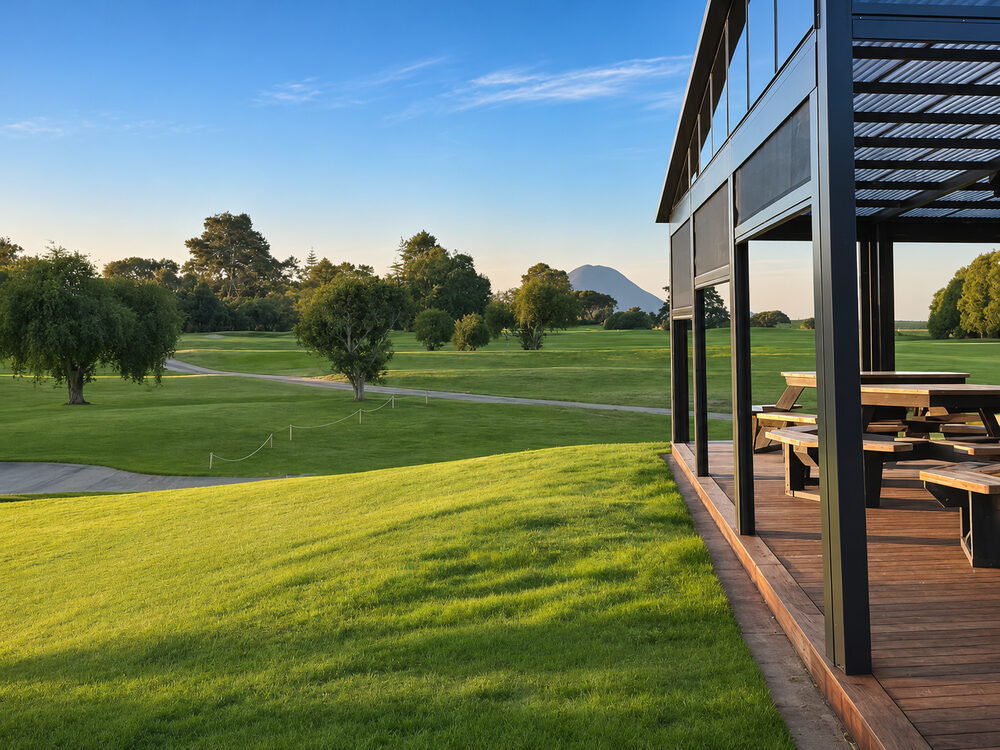
Whakatāne opens our countdown with the appeal of a traditional Bay of Plenty club course. Its place in the ranking rests on an enjoyable playing experience and a balanced set of scores, with playability its strongest category relative to the available points. This is a course for golfers who value a satisfying round and a welcoming club setting. At 77.3, it establishes the starting mark for our provisional Top 50.
Bay of Plenty · 78.0/100
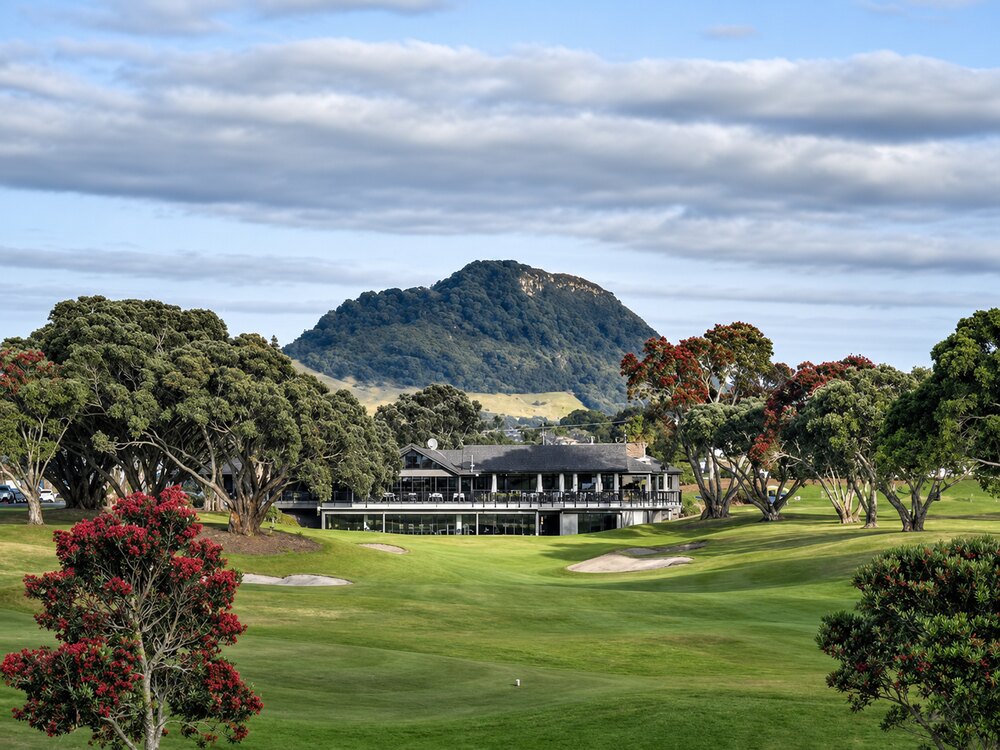
Mount Maunganui offers a tree-lined club layout close to one of the country’s favourite beach destinations. The contrast is part of its appeal: a round here takes golfers into peaceful green surroundings while the coast remains nearby. Its 78.0 score reflects a balanced performance across the six categories, with playability helping it edge ahead of Whakatāne. The attraction is straightforward, enjoyable golf in a well-established club environment.
Southland · 78.1/100
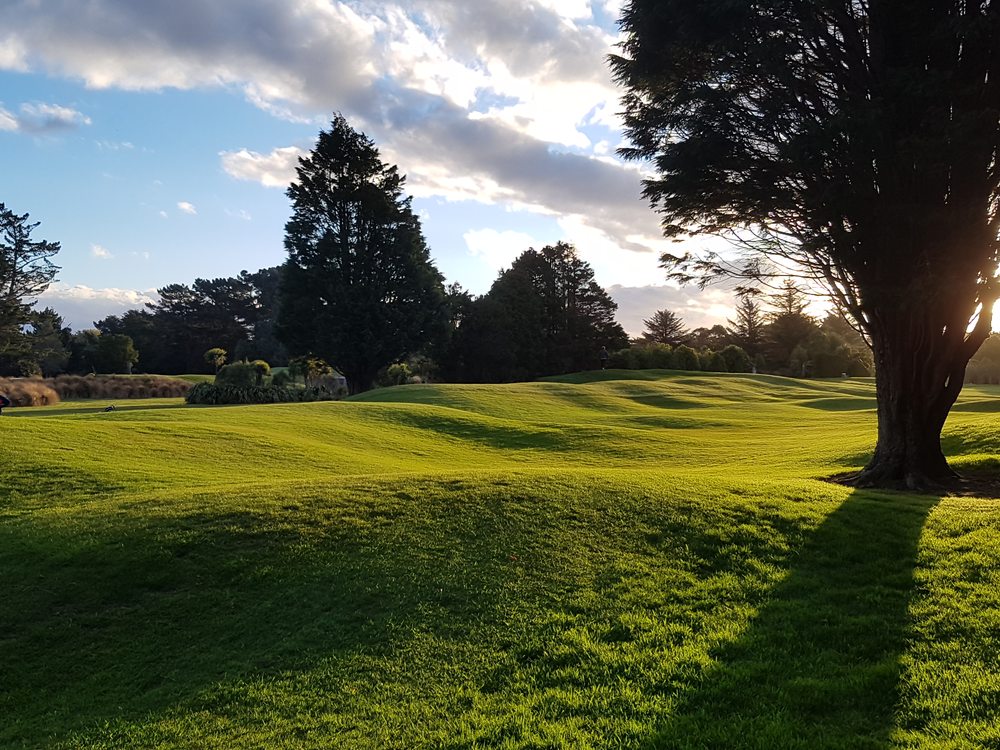
At Otatara, Invercargill’s undulating fairways, trees and bunkered greens provide a traditional Southland test. The course guide rewards attention to position, with approach angles and distance control recurring throughout the round. Heritage contributes 7.5 points to its 78.1 total in our provisional assessment. Invercargill’s inclusion recognises both its playing qualities and its place in the golfing life of the south.
Northland · 79.5/100
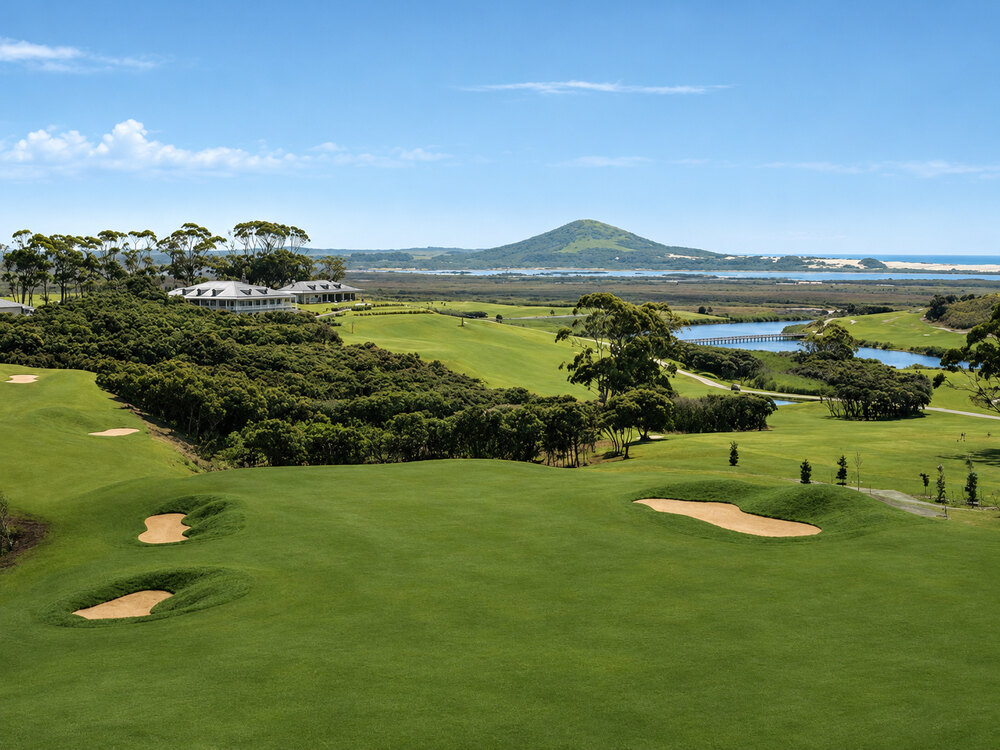
The Karikari Peninsula gives Carrington a strong sense of place, with the course forming part of a wider landscape of wetlands, beaches and coastal hills. Designed by Matt Dye, the layout combines open terrain with water hazards and changes in scale. Setting contributes 14 of the available 15 points to its 79.5 total. Its coastal character supplies much of the appeal, while the full score balances the landscape against architecture, presentation and playability.
Auckland · 80.0/100
Omaha reaches the 80-point mark with a coastal club experience north of Auckland. Its beachside location is a substantial part of the appeal, while the provisional scoring also recognises playability and memorability. The result is a course that fits naturally into a golf weekend in the region. Setting supplies 13.5 points to the total, helping Omaha secure its place in the countdown.
Nelson · 80.3/100
Nelson brings links golf to this part of the countdown, with the club’s current identity centred on its coastal terrain and open playing character. Our provisional assessment gives architecture 24.8 out of 30 and playability 8.5 out of 10. Those scores help explain a position built on the golf itself. At 80.3, Nelson sits in a closely packed group where small differences across several categories determine the order.
Auckland · 80.5/100
Sir Bob Charles’ Formosa layout benefits from an expansive coastal property in east Auckland. Shoreline views give the round a clear identity, reflected in a setting score of 14 out of 15. The course offers several tee positions, allowing golfers to choose an appropriate test. Its 80.5 total places it between Nelson and Waitara in our provisional list, with the landscape making a particularly strong contribution.
Taranaki · 80.6/100
Waitara’s Airedale Links is a short coastal course with views along the Taranaki coastline. Our framework gives it 25.8 out of 30 for architecture, a notable return for a course in this section of the list. Its comparatively modest conditioning score leaves the total at 80.6. The combination illustrates how the ranking can recognise an interesting layout without requiring the presentation standards of a large resort.
Bay of Plenty · 80.7/100
Steam vents, thermal water and geothermal ground make Arikikapakapa one of the most distinctive settings in the countdown. The Rotorua course requires accuracy, with hazards that belong unmistakably to this landscape. Setting earns 14.5 out of 15 in our provisional assessment, its strongest category. That sense of place supports an 80.7 total and gives golfers a round with a character quite unlike the coastal and parkland courses around it.
Otago · 80.8/100
Roxburgh asks golfers to think carefully about a short layout woven into Central Otago’s rocky landscape. The club identifies its fourth, Happy Valley, as a signature hole: a compact par three played from an elevated tee towards a small green. Architecture earns 26 out of 30 in our provisional scoring, outweighing a lower conditioning mark. The 80.8 total rewards a course whose interest extends well beyond its length.
Otago · 81.0/100
High above St Clair Beach, this Dunedin course combines an exposed coastal setting with a substantial golfing history. Its official course guide lists five sets of tees, offering different ways to approach the challenge. Our provisional assessment gives setting 13.5 points and heritage 7.5, contributing to an 81.0 total. St Clair earns its position through the combination of the round, the coastline and the club’s long-standing presence in southern golf.
Canterbury · 81.3/100
Harewood’s Woodlands course offers a Canterbury test where conditioning makes a strong contribution to the overall result. The regional golf association describes well-drained ground, quality greens and fairways with more movement than first appearances suggest. In our provisional scoring, conditioning earns 17 out of 20 and architecture 25 out of 30. The combined 81.3 reflects a course with solid playing credentials and reliable presentation.
Gisborne · 81.5/100
Founded in 1893, Poverty Bay plays at Awapuni Links, where sand-based fairways follow the contours of a coastal dune system. Its history earns eight out of 10 for heritage, a valuable contribution to an 81.5 total. The golf carries its share of that assessment too, with playability and setting supporting the result. This is a place for readers to consider when planning golf on the East Coast.
Northland · 81.5/100
Mangawhai has its own golfing identity alongside the region’s internationally known courses. Harry Dale’s design follows gently undulating, sand-based terrain, with native vegetation helping define the playing corridors. Our provisional assessment gives it 81.5, level with Poverty Bay. Architecture breaks the tie, with Mangawhai’s 24.8 edging Poverty Bay’s 24.5. Its place recognises a traditional club course that deserves attention on its own playing merits.
Otago · 82.1/100
Cromwell’s sand-based ground produces a different Central Otago experience from the region’s alpine resort courses. Its inland links character is central to the club’s own description and to our assessment of its architecture and setting. Those categories contribute 25.3 and 13.5 points respectively. The 82.1 total rewards a layout with a clear identity and gives golfers another reason to explore beyond the best-known Queenstown destinations.
Northland · 82.2/100
Listed as Kaitaia Golf Club in our original dataset, the course now uses the name 90 Mile Beach Golf Links. Its Ahipara setting is a major part of its appeal. The club singles out the short sixth as its signature hole, a drop shot whose demands change with the wind. Setting earns 14 out of 15 in our provisional assessment, helping the course reach 82.2 and number 35.
Waikato · 82.5/100
Hamilton’s St Andrews course brings a long-established riverside club setting into the countdown. The provisional score is notably balanced: architecture supplies 25 points, conditioning 17 and heritage eight. Playability adds a further 8.7 out of 10. Together they produce 82.5, recognising a course whose case rests on several dependable strengths. It is the highest-placed Waikato entry in this opening instalment.
Manawatū-Whanganui · 83.0/100
Belmont’s strongest contribution to our provisional score comes from heritage, with nine out of 10 recognising the club’s place in New Zealand golf. Architecture and conditioning provide the largest share of its 83.0 total, keeping the assessment grounded in the course. At number 33, Wanganui sits close to the next group in the countdown, where the margins between established club layouts become increasingly narrow.
Manawatū-Whanganui · 83.1/100
Manawatū joins the countdown at number 32. Established in 1895, the Hokowhitu club brings mature parkland golf and a substantial championship history to the list. Its Palmerston North setting lies beside the Manawatū River, with tree-lined fairways placing a premium on accuracy. A new provisional editorial assessment gives it 83.1 out of 100, led by architecture, conditioning and heritage. That places it just below Ngāmotu and ahead of Belmont.
Taranaki · 83.3/100
Ngāmotu closes the opening instalment at number 31. Its championship history is matched by a layout whose two nines loop out from the clubhouse, bringing changing wind directions into the round. Tree-lined fairways and contoured greens provide much of the test. Our provisional assessment gives architecture 25 out of 30 and setting 13 out of 15, contributing to an 83.3 total and the final place before our next reveal.
50. Whakatāne Golf Club
49. Mount Maunganui Golf Club
48. Invercargill Golf Club
47. Carrington Estate
46. Omaha Beach Golf Club
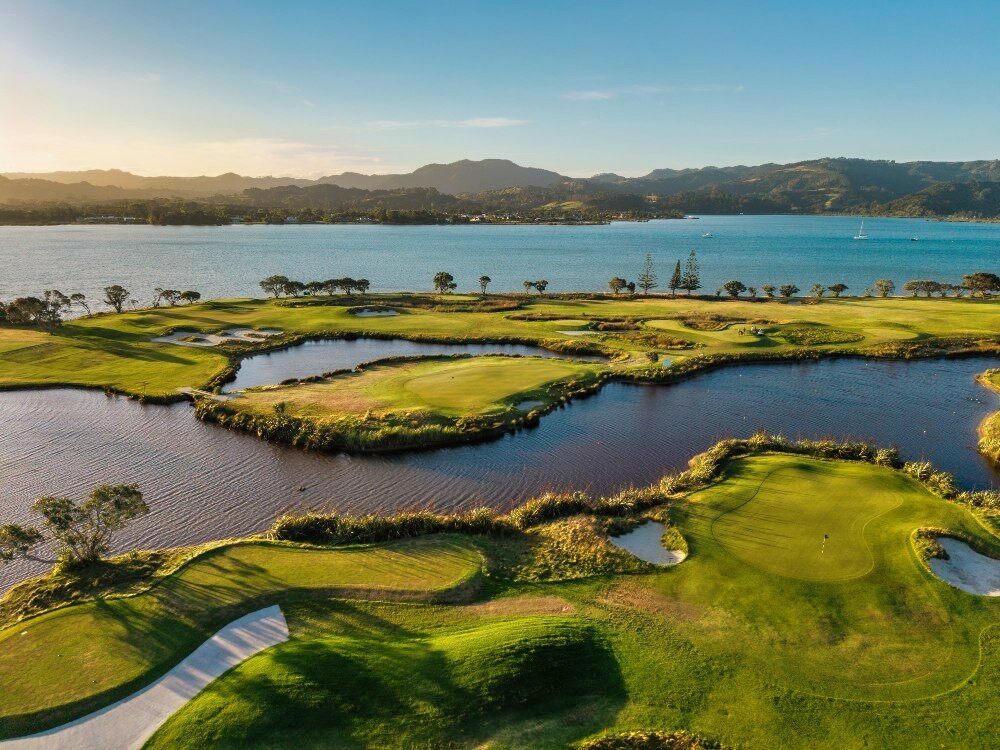
45. Nelson Golf Club
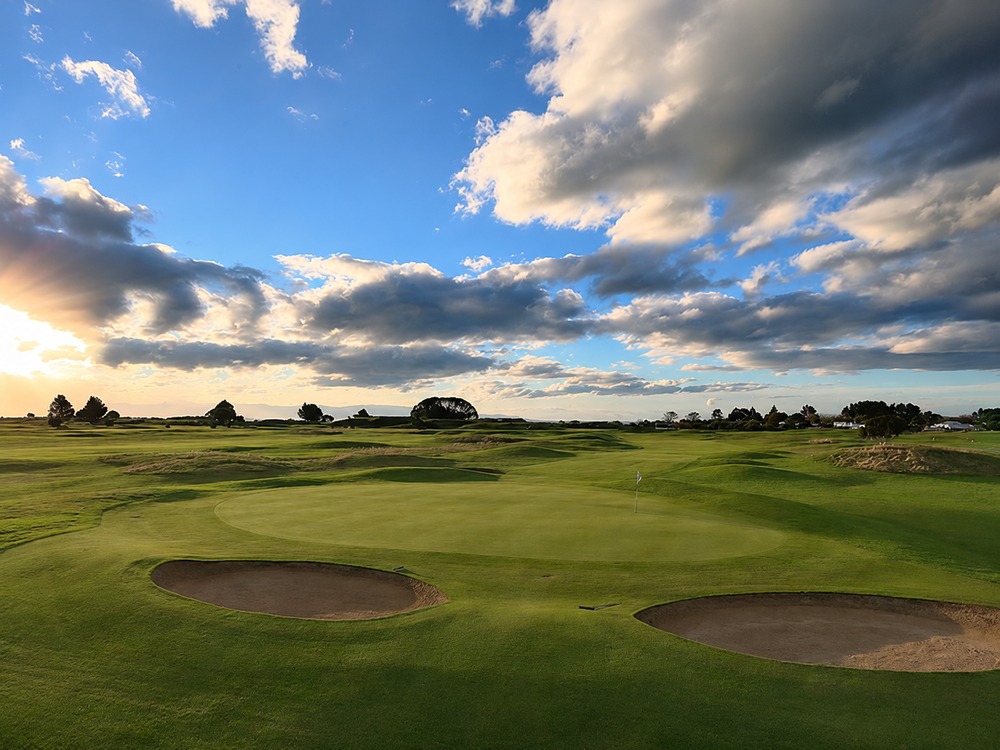
44. Formosa Golf Resort
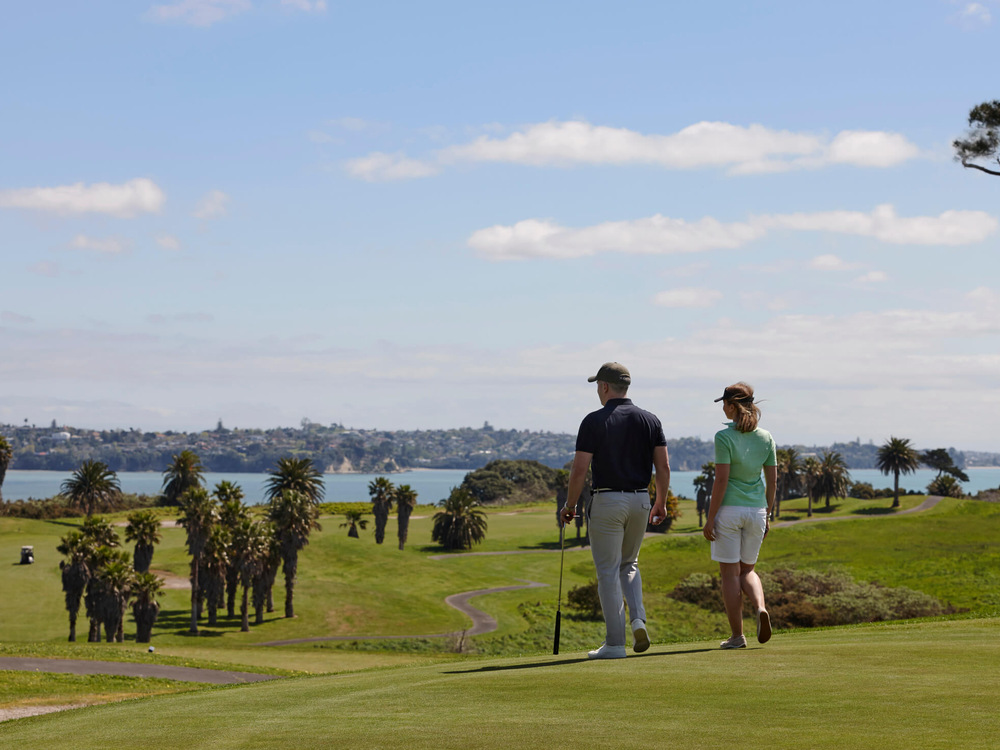
43. Waitara Golf Club – Airedale Links
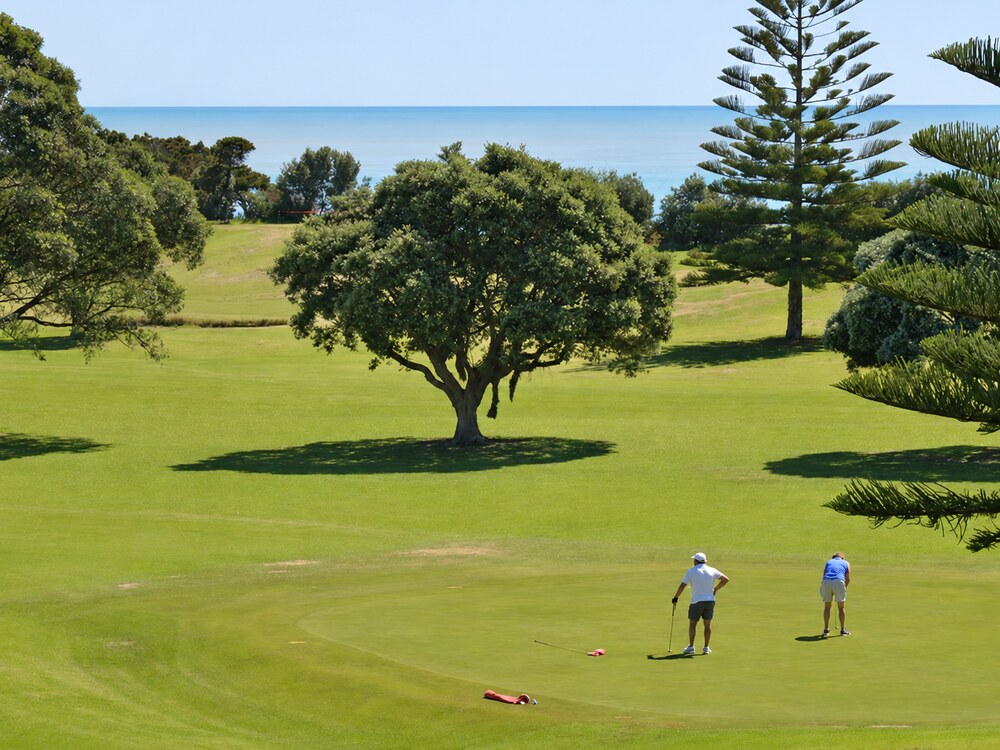
42. Rotorua Golf Club – Arikikapakapa

41. Roxburgh Golf Club
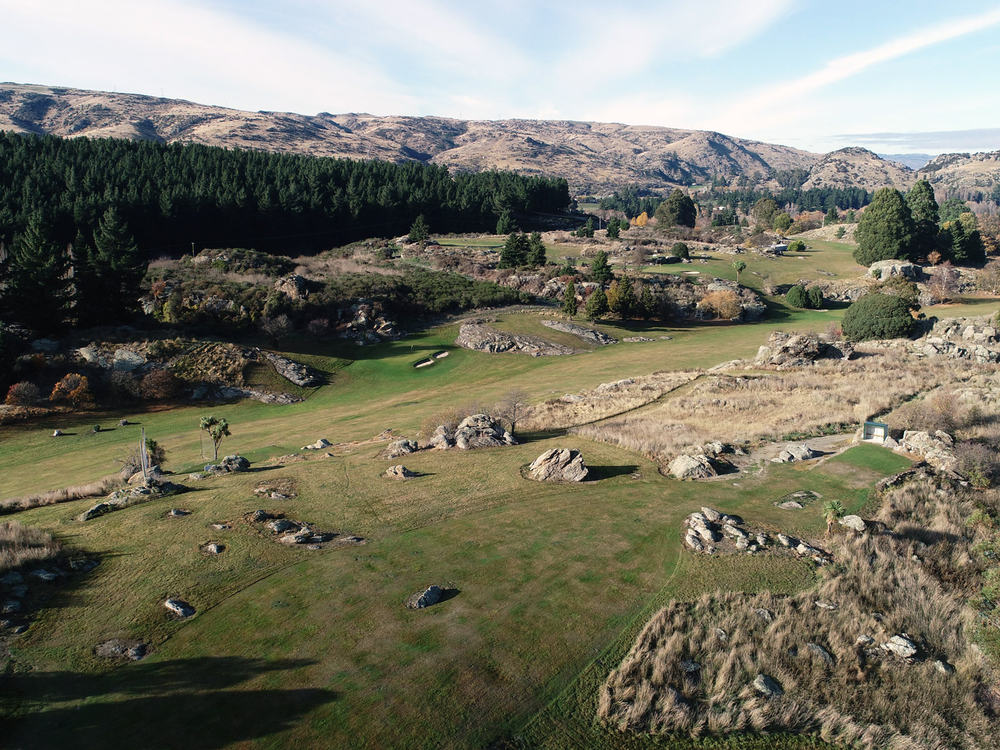
40. St Clair Golf Club
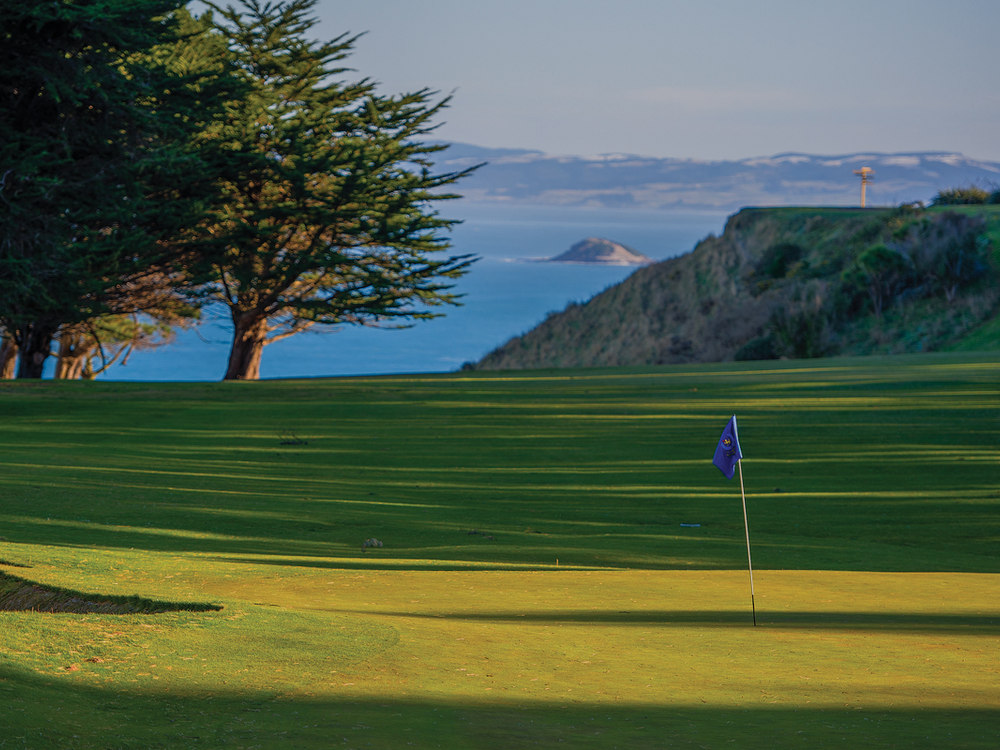
39. Harewood Golf Club
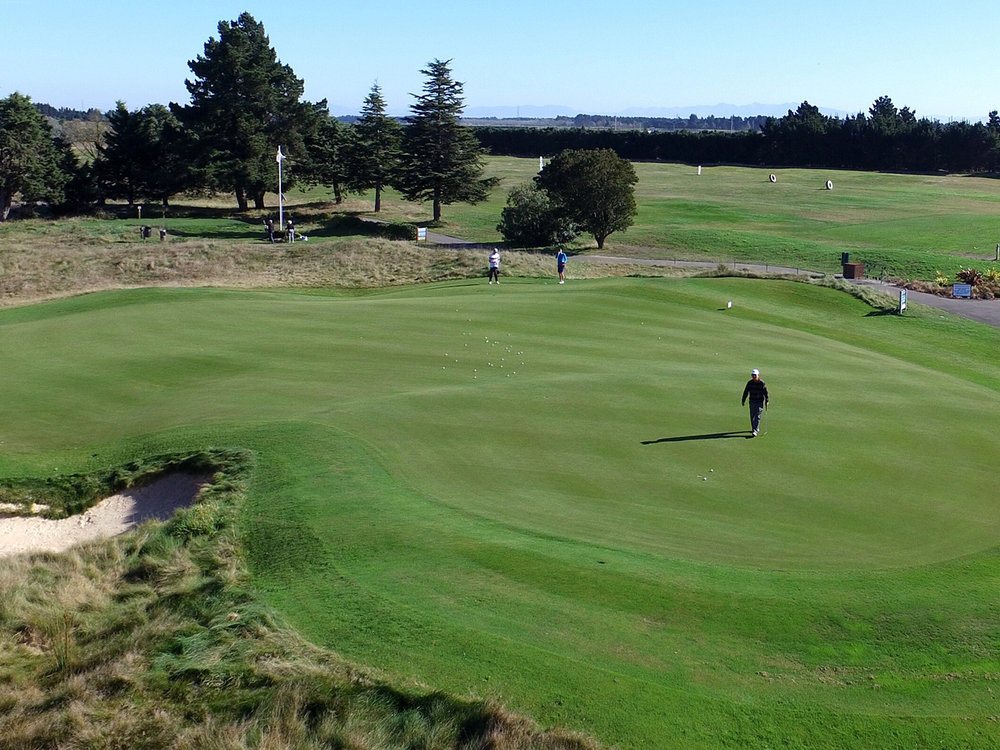
38. Poverty Bay Golf Club – Awapuni Links
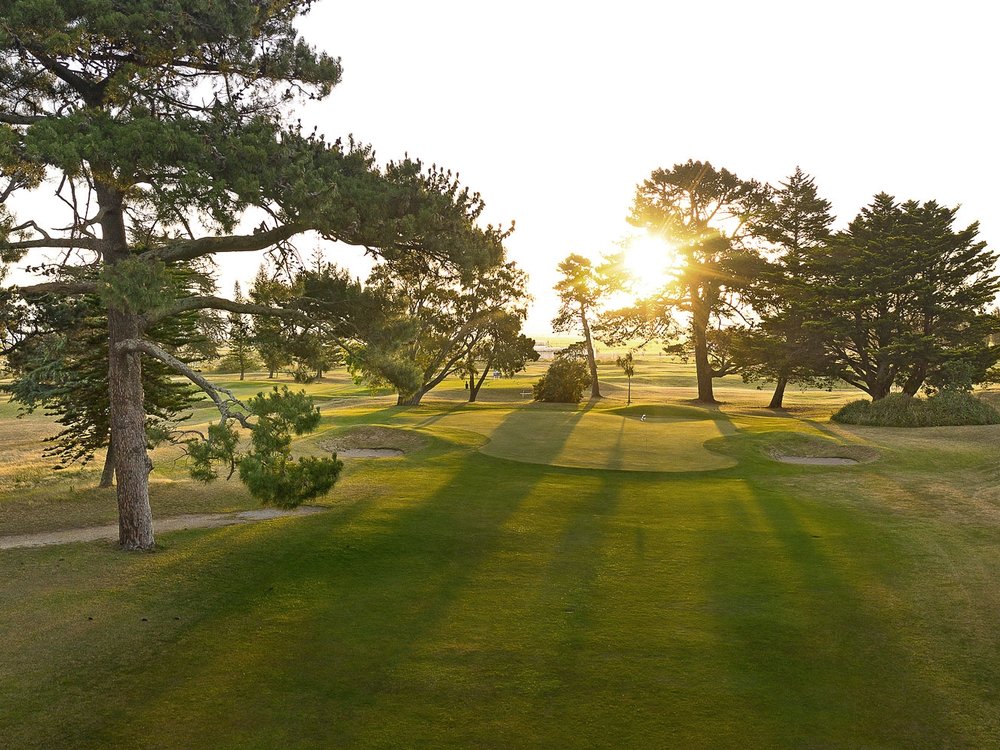
37. Mangawhai Golf Club
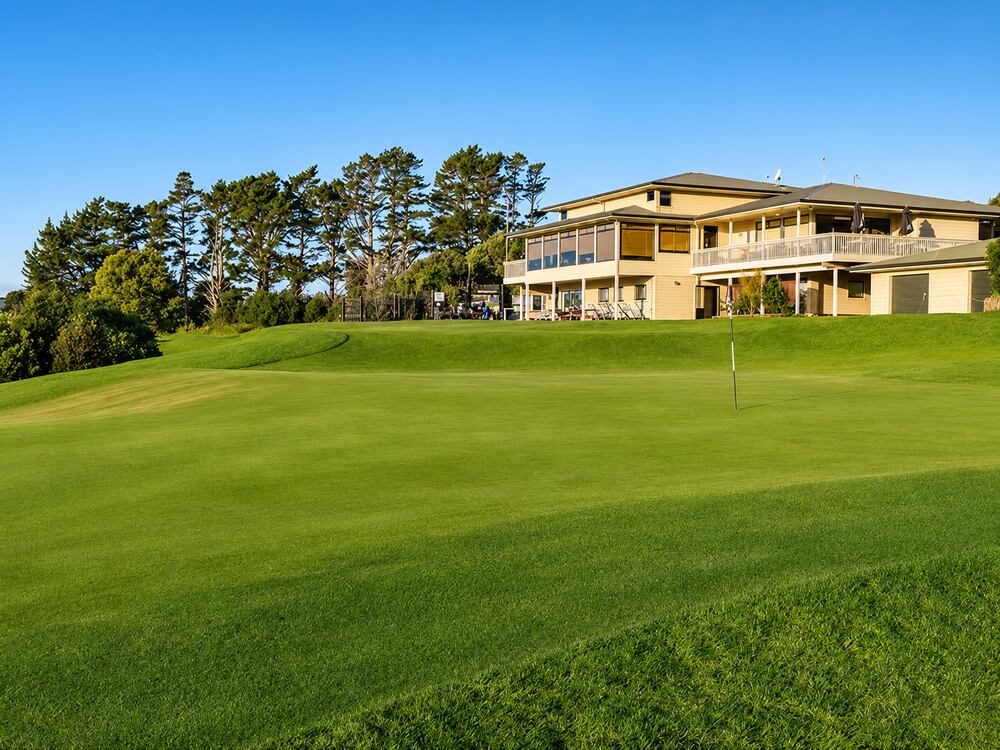
36. Cromwell Golf Club
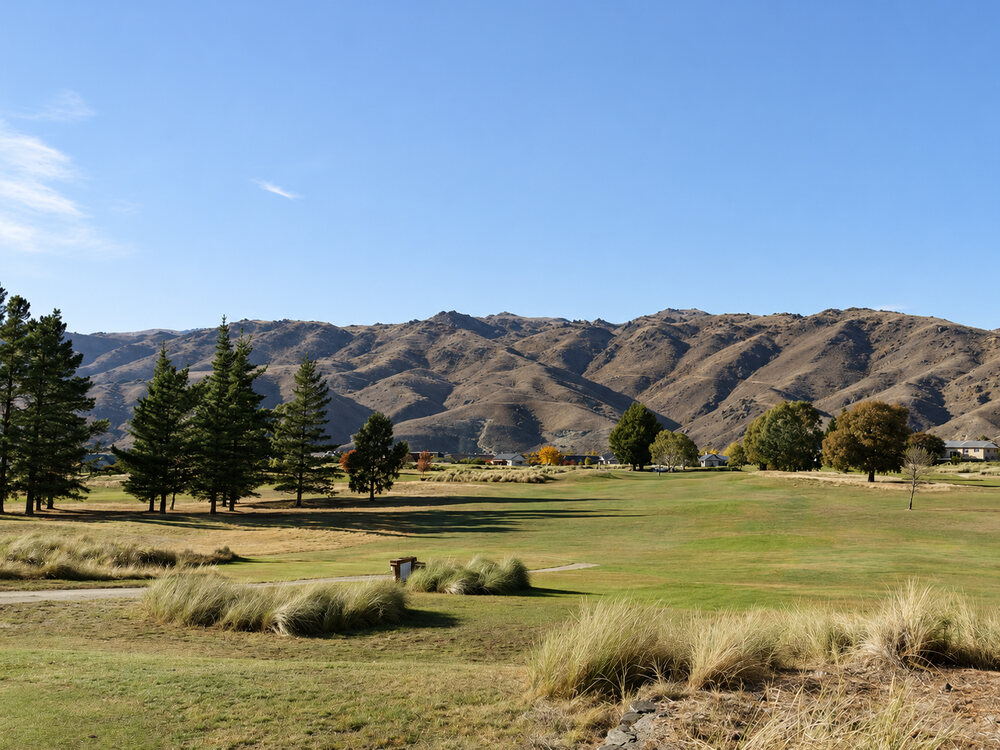
35. 90 Mile Beach Golf Links – formerly Kaitaia Golf Club
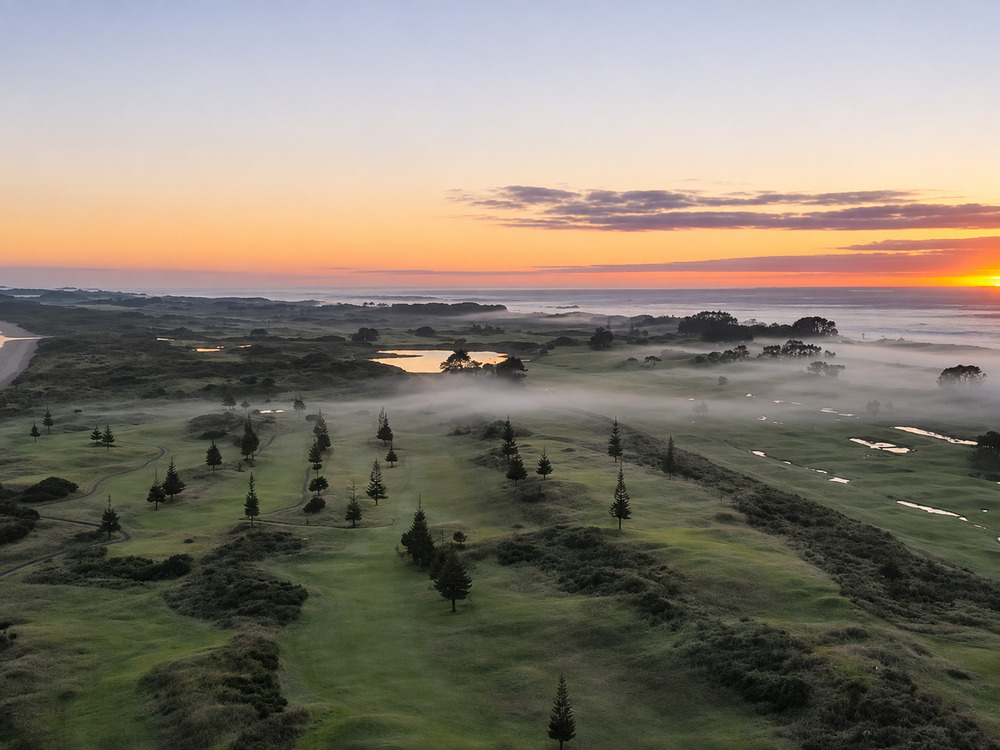
34. Hamilton Golf Club – St Andrews
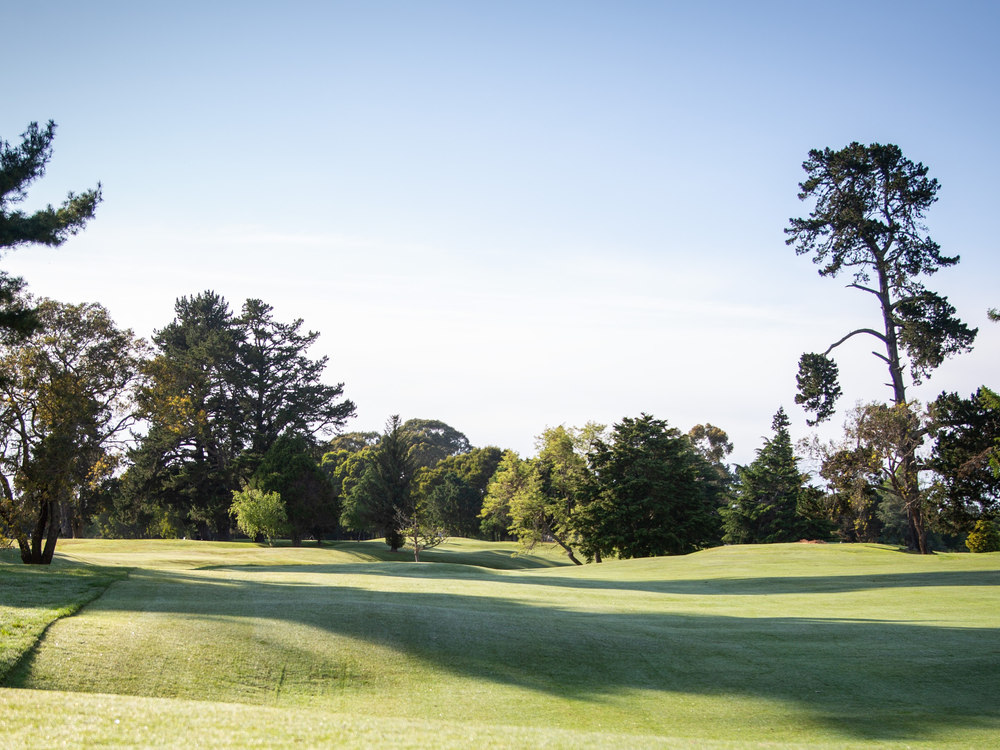
33. Wanganui Golf Club – Belmont Links
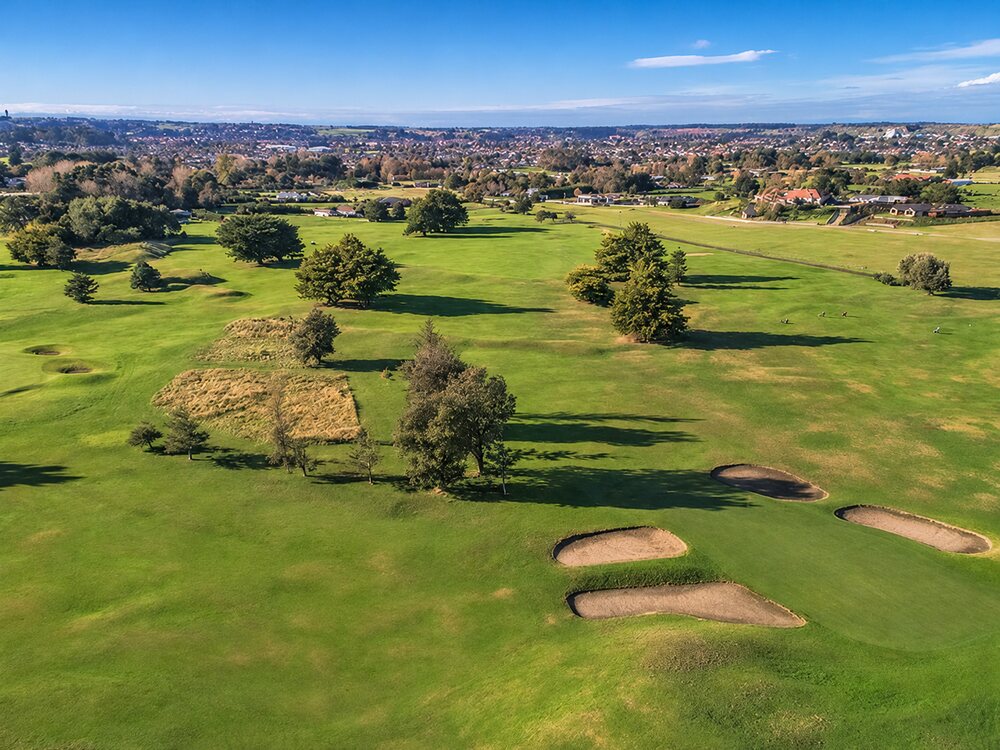
32. Manawatū Golf Club – Hokowhitu
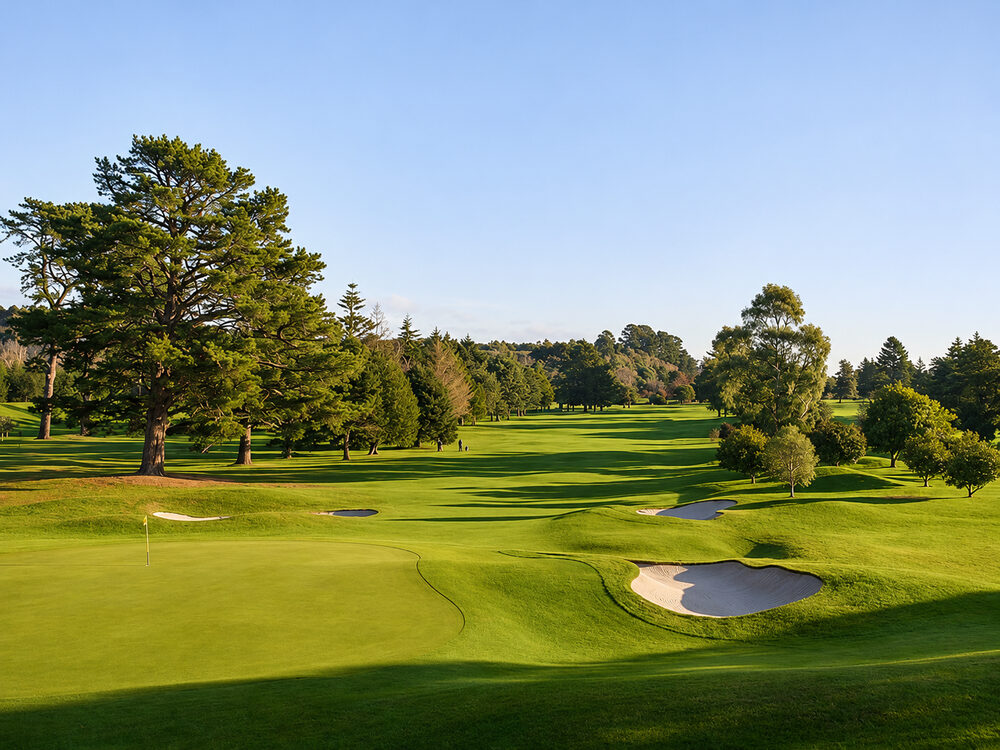
31. New Plymouth Golf Club – Ngāmotu
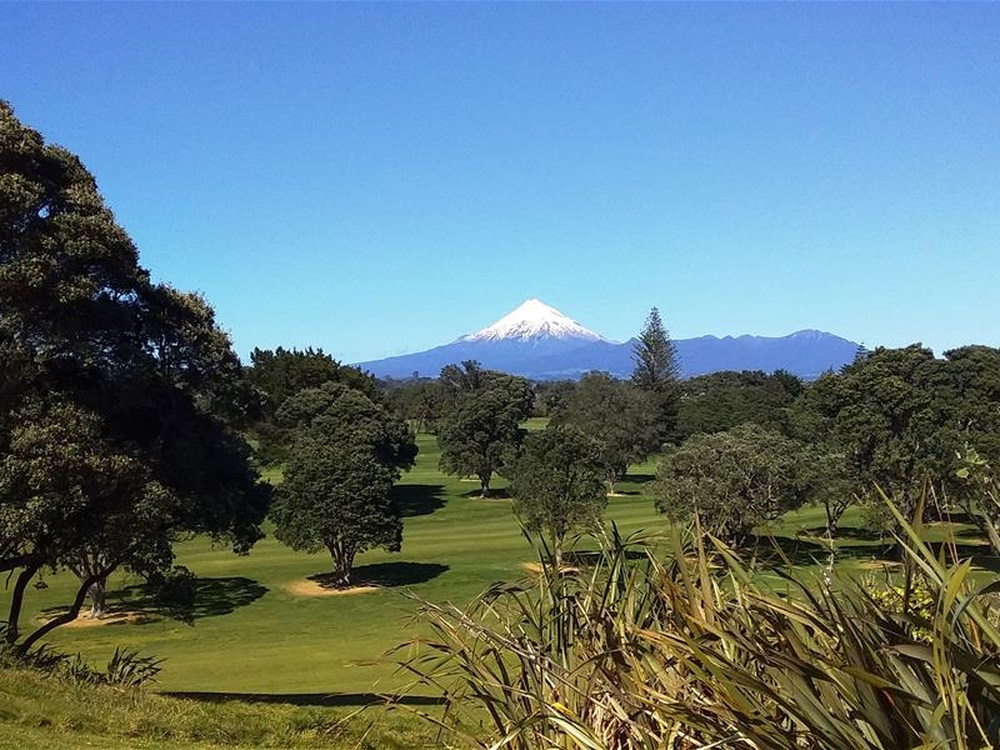
The countdown continues with the next 20 courses before our final instalment reveals the top 10.